Renting can sometimes be more appealing than owning a home. For the first two years of our marriage, my husband and I lived in a tiny apartment. All we had to pay for was the electricity; everything else was included in the rent. The only downer was that we felt like we were throwing away more than $7000 a year with nothing to show for it.
We decided to purchase a home in order to build equity as well as to have a place of our own with a small backyard. We soon discovered that our expenses shot way up due to water bills, heating bills, maintenance, insurance, and property taxes. Although our expenses increased, we at least had the sense of satisfaction in knowing that we were no longer “throwing away” our money to rent payments. We also had a lot more space to enjoy.
Although home ownership has been a positive experience for us so far, it doesn’t mean it’s the best option for everyone at every life stage. We definitely couldn’t have afforded to own a home when we were first married, so renting was a sensible option for us. There definitely is a time and a place for both renting and owning a home.
Read more…
Pam Household
Here we go again. Winter will soon be here along with its snow storms and freezing cold weather. If you’re like me, you’re probably not looking forward to the increased heating costs. Below are some suggestions of ways to reduce your heating costs this winter. Stay warm!
1. Replace your furnace filter every couple of months to ensure your furnace is running efficiently.
2. Have your furnace cleaned every 2 to 3 years to maximize its efficiency.
3. Insulate your water heater with a water heater jacket.
4. Turn down the water heater temperature to approximately 50 degrees to conserve energy and save money.
5. Limit the use of bathroom and kitchen fans as they blow the warm air out of your home.
6. Check for drafts around your windows and doors. Use caulking or weather stripping to seal any openings.
7. Insulate your windows with window plastic.
8. Keep your blinds open during the day to let the sunshine warm the house. Once the sun goes down, close the blinds to further insulate your windows.
9. Before cranking up the heat, make sure you are wearing warm socks, slippers, and sweaters. Don’t be afraid to walk around wrapped in a fleece blanket either. Fleece blankets are a lot cheaper than your heating bill is ever going to be.
10. Make use of a programmable thermostat. Set it so that the temperature is lower when you are away from home as well as during the night.
11. To learn about more than 100 ways to save on your energy bill, check out this link.
Pam Household
About this time every year I buy a roll of window plastic
from Home Depot and cover the windows in my home. It doesn’t take very long to apply the plastic, and it helps to prevent cool drafts coming from our windows. Heating your home in the winter is expensive enough; there’s no point in letting your heat escape.
If you apply the plastic properly and then blow dry it, most, if not all of the creases will disappear and you will hardly even notice that the plastic is there. If this is your first time purchasing window plastic, I would recommend that you first measure your windows to ensure that you buy enough plastic to cover them. I prefer buying the large rolls as opposed to the smaller window kits, but it really depends on the size of your windows.
It’s also important to note that most often the window plastic is double-layered and all you need to use is a single layer on each window. Be sure to separate the layers and your window plastic will go twice as far.
Window plastic kits aren’t that expensive, and they are well worth your money if it means you will be able to save on your winter heating bills. When spring finally comes, simply remove the plastic and rip off the tape. So far, I have never had any trouble with the tape causing any damage as it is specifically designed for window frames.
If you buy the larger rolls, you may have enough plastic for next winter as well. Be sure to hang on to the leftovers as the plastic may come in handy for other tasks as well such as to cover furniture while painting, etc.
Stay tuned for more energy-saving and money-saving tips to get you through the winter.
Pam Household
If your old appliances need to be replaced or you are moving into a new home and need to start
from scratch, consider the following tips before going on your shopping spree. By following these tips you will save a lot of money and make your home “green”.
1. Consider buying a convection oven. They are more energy efficient because the internal fan decreases cooking time.
2. Buy a front-loading clothes washing machine. They use less electricity and water than top loading machines and they more adequately spin your clothes, resulting in less drying time. You also won’t need to use as much detergent for front-loading machines. Whether or not you end up buying a front-loading or a traditional top-loading washing machine, make sure it has the option for a small, medium, and large load so you don’t waste water and energy if you happen to wash a smaller load.
3. When purchasing a refrigerator, compare the Energy Star labels to ensure you are buying the most energy efficient model. Avoid features that will waste energy such as ice and water dispensers. Fridges with top freezers use less energy than side by side freezers.
4. Buy a clothes dryer that has a moisture sensor option. That way your dryer will stop automatically when it senses the clothes are dry rather than setting it on a timer and wasting energy.
5. Choose an energy efficient dishwasher with the Energy Star label. Anytime you see Energy Star you know it’s at least 15% more efficient than other similar models. Look for models with a no –heat drying option and soil sensors. Some also include other eco-friendly features.
Pam Household
There are a lot of ways that we can consciously conserve water around our home and yard. As a result, we will be paying less for our water bills as well as reducing the amount of water we waste. Overtime, these behaviors can have a significant positive impact on our environment and our pocketbook.
1. Take a shower instead of a bath. A 5-minute shower uses 30 to 40 gallons of water.
2. Turn off the water while brushing your teeth and shaving.
3. Collect rainwater to use to water your lawn and garden.
4. Use a water amplifying shower head
so you use less water while taking a shower.
5. Install a water efficient toilet. (Flushing comprises about 35% of a household’s total water consumption, so your toilet’s efficiency has a significant impact on your water usage.)
6. Only run the dishwasher and the clothes washing machine when you have a full load. When doing laundry, if you do have a smaller load, be sure to change the settings to use less water.
7. Fix the leaky faucets around your home. Although one small drop is insignificant, if left unfixed, you will waste 10 gallons of water everyday.
Read more…
Pam Household
Salt is cheap to buy and amazingly, it has many uses beyond adding flavor to your food.
Check out some of the ideas below:
1. Sprinkle a little salt in your canvas shoes to help soak up the moisture and get rid of the nasty odor.
2. Remove baked on food from your cooking pots and pans by soaking them in salt and a small amount of water for a few minutes prior to washing.
3. Mix a handful of salt into a gallon pail of warm water and use it to wash down your fridge. It’s both odor and chemical free so it’s a safe way to clean.
4. Remove tea and coffee stains from your coffee mugs by either putting a little salt in water and letting it sit in the mug, or by simply using a cloth with salty water and rubbing the stains away.
Read more…
Pam Household
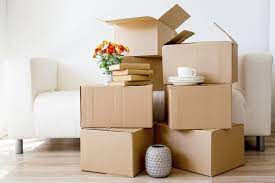
When you move from an apartment into a house for the first time, you may be surprised by all of the extra costs associated with owning a home. Rent often includes some or all utilities but once you live in your own house you are stuck paying for everything! When my husband and I first moved from our apartment into our house, we discovered that our living expenses increased significantly. Water bills, natural gas bills, and property taxes weren’t even a part of our vocabulary. But that all changed when we bought our house.
If you are hoping to buy your first home, I would recommend that you first sit down and create a tentative budget for your living costs at your prospective new home. Find out how much the previous owners paid for their utilities so you can get a rough idea of how much to budget for.
Also, remember that you will have to pay closing costs, legal fees, and other bank fees in order to process your home purchase. Be sure to find out how much these will cost so you won’t be surprised at the last minute. It’s smart to spend less than you can “afford” on your house so you will have adequate funds to pay all of the fees, as well as to pay for the extra things you will need to buy that you never needed while you rented an apartment.
For example, much to the chagrin of our neighbors, we didn’t have a lawnmower or any garden tools or supplies when we first moved in, so our yard was a mess for a while until we had a chance to pick everything up. Fortunately a friend of ours wanted to get rid of his old lawnmower so we didn’t have to buy one, but purchasing household items can certainly add up.
Owning your own home is great, but make sure to plan ahead to ensure that you can truly afford to live in it once you’ve purchased it. Don’t feel like you have to furnish your entire house right away, either. Do it bit by bit as you can afford it. You will enjoy your new home more if you aren’t faced with financial pressure. Make wise decisions that you won’t live to regret.
Pam Household