
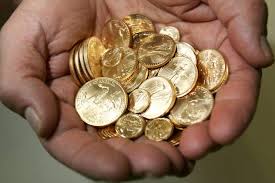
 With a global pandemic still raging around the world, you may be wondering if there are any good investment opportunities and if you know where to look, there are. There are markets which usually rally in times of uncertainty, and if you have the funds available, they could prove to be a lucrative investment.
Browsing Category
Investing
 Though the stock markets have looked bleak over the last few months, the changes to the lockdown measures and gradual re-opening of the economy could mean the beginning of positive change for the market. But what could this mean for those looking to invest at this uncertain time? In this article, we will be looking into 5 things that you should note when the stock market begins to pick up again.
 Cryptocurrencies have been gaining a lot of limelight lately. Someone once said, ‘be it good or bad word the world would at least know of my existence.’ This statement seems to hold pretty true for cryptocurrency, and it is quite evident from the increasing popularity of its trading.
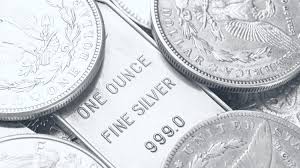 While silver has had a rough ride over the past few years, the signs are that prices will be rising steadily throughout 2020, and if you would like to capitalise on that, here is some useful advice on how to make a profit investing in silver.
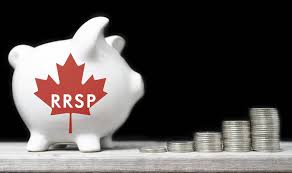 Registered Retirement Savings Plans (RRSPs) are a great way to put money aside for retirement, however, there are some things you should know about RRSPs before putting your hard-earned money into one.