
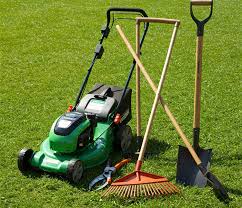
 A healthy, attractive lawn doesn’t have to come with a high price tag. Many homeowners spend hundreds—or even thousands—of dollars each year on mowing services, fertilizers, watering, and landscaping upgrades. Fortunately, a few smart habits can significantly reduce lawn care expenses while still keeping your yard looking great.
Mow Your Own Lawn
Hiring a lawn service may be convenient, but regular mowing fees add up quickly over the course of a season. Investing in a quality mower and handling basic maintenance yourself can save a substantial amount of money each year.
To keep costs even lower:
- Sharpen mower blades regularly
- Avoid overcutting the grass
- Mow during cooler parts of the day for better efficiency
Proper mowing habits also help keep your lawn healthier, reducing the need for expensive treatments later.
Water Smarter, Not More
Overwatering is one of the biggest sources of unnecessary lawn care costs. Instead of watering every day, aim for deeper, less frequent watering sessions that encourage stronger root growth.
You can also save money by:
- Watering early in the morning
- Using rain barrels when possible
- Adjusting sprinklers to avoid sidewalks and driveways
- Installing a timer to reduce waste
A healthier root system often means fewer lawn repairs and less fertilizer use over time.
Use Grass Clippings as Natural Fertilizer
After mowing, leave grass clippings on the lawn instead of bagging them. This process, often called grasscycling, returns nutrients to the soil naturally and reduces the need for commercial fertilizers.
It also saves:
- Time
- Yard waste bags
- Disposal costs
Small changes like this can lower seasonal lawn care expenses without much extra effort.
Buy Lawn Supplies in Bulk
If you regularly purchase fertilizer, seed, mulch, or weed control products, buying larger quantities can often reduce the cost per use. Consider sharing bulk purchases with neighbors if storage space is limited.
End-of-season sales are also a great opportunity to stock up for the following year.
Reseed Bare Spots Early
Small patches of dead grass can quickly spread if ignored. Reseeding thin or damaged areas early is usually much cheaper than replacing large sections of turf later.
Regular maintenance prevents minor issues from turning into costly landscaping projects.
Consider Low-Maintenance Landscaping
Reducing the amount of grass in your yard can lower mowing, watering, and fertilizing costs long term. Many homeowners save money by adding:
- Native plants
- Ground cover
- Mulch beds
- Decorative stone areas
These options often require less water and maintenance than traditional lawns.
Handle Simple Lawn Repairs Yourself
Many basic lawn problems—such as patchy grass, weeds, or dull mower blades—can be fixed with simple DIY solutions instead of professional services. Watching tutorials or reading lawn care guides can help homeowners learn inexpensive maintenance techniques.
Final Thoughts
Saving money on lawn care is often about consistency and prevention. Regular mowing, efficient watering, and simple DIY maintenance can reduce long-term costs while keeping your yard healthy and attractive.
With a little planning and effort, homeowners can enjoy a well-maintained lawn without overspending every season.



No Comments