
Browsing Category

Debt

Debt

The Do’s And Don’ts Of Unsecured Personal Loans

personal loan tipsAn unsecured personal loan can be a blessing to a consumer who knows the do’s and don’ts of the loan process. An unsecured personal loan is generally a lump sum cash payment that a consumer can obtain without providing the lender with collateral. Collateral usually consists of security items, such as a car or a house that some lender require their applicants to offer up for security on the loan. An unsecured personal loan can provide a consumer with the cash that he or she needs for a wedding, a vacation, pay down credit card debt or whatever reason. However, choosing one lender blindlymay mean missing out on savings when you repay the loan. The following provides tips on the do’s and don’ts of unsecured personal loans:

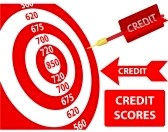
Do Check Credit Score First

A consumer should not apply for an unsecured loan until he or she receives a clear picture of the current credit rating. A credit score can affect various aspects of a loan such as the interest rate and repayment length. A consumer might be able to increase the credit score and place himself or herself in a higher bracket before applying for an unsecured personal loan. Disputing strange accounts and paying off debt can raise a credit score rather quickly. The credit bureau may remove suspicious accounts within 30 days. A removed account can boost a consumer’s credit score significantly.
Continue Reading

Debt

How To Find The Right Bank For Your Personal Loan

choosing the right personal loanWhen you need to make a personal purchase such as a vehicle, a personal loan may be your only option for purchasing the item. A personal loan allows you to get the cash you need to purchase an item that you would like. Most individuals will use a personal loan to purchase a high ticket item that may cost a few thousand dollars. A personal loan has advantages as you can get the cash you need and have a low interest with low payment. This can allow you to make your purchase without going in to debt. It is important to find the best bank for a personal loan yet many people have no idea how to get started. Below are a few tips on how to find the right bank for your next personal loan.

Low Interest Rates

One of the features you should look for when searching for a bank for your personal loan is low interest rates. You want to have the lowest rate possible so that you can pay less in interest and more on the principal. This way, you will pay off your loan quickly and be able to enjoy your new item without a monthly payment. Different banks offer different interest rates based on loan plans so you need to do your research before making a final decision on which bank to use.

Continue Reading

Debt

How To Establish And Keep A Good Credit Score

how to keep a good credit scoreIf you want to purchase a house or car someday, one thing that you’re going to need to have is good credit. That is what sends a message to your potential loaners or creditors that you are responsible with money – that you pay your bills on time.

If you’ve made a few credit mistakes in the past and you’re curious to know about some of the things that you should do in order to establish your credit and also keep it intact, here are five tips that can help you to do just that.

Get a secured credit card. If you don’t have a credit card, there are some benefits to that. The main one being that since credit cards are basically plastic cards that come with interest, if you purchase things with cash, you decrease your chances of going into debt. So, what is the advantage of having a credit card? Well, one of the main ones is the fact that it’s one of the most effective ways to establish credit. That said, one card that you can get that will help you to use credit responsibly is a secured credit card. Being that it’s tied to your account and it has a lower limit, that will essentially help you to pay your balance on time.

Continue Reading

Debt

Using Your Car To Fix The Central Air Unit Of Your Home

car repair tipsWith the summer months upon you, the lack of proper air conditioning can make you miserable. This mental state could affect everything from how you interact with the family to the choices you make in your career. Those that are unable to get a night’s rest can become irritable and irrational. This can all happen thanks to your central air conditioning unit being inoperable.

Many people are on strict budgets and are barely able to get by. Without the money to put into repairs, the home can become sweltering hot. Sure, you may install fans in the windows or an oscillating unit in the bedroom. However, there is a good chance that you’ll wake up in the middle of the night drenched in sweat and unable to get comfortable. Without the upfront cash to pay the repairman, how are you able to get your life back on track?

Continue Reading

Debt

6 Tips To Save Money On A Mortgage

things to consider before you get a mortgageBuying a home is one of the most expensive purchases of a lifetime. Most buyers opt to borrow money from lenders to purchase their properties, locking themselves into potentially 30 years of mortgage payments. Not only are homes costly, but loans are too. Interest is the price borrowers pay their lenders for advancing them money, and it’s due until the loan is entirely paid back. Even though interest rates recently declined benefitting borrowers, there are a few additional ways homebuyers can save money on their mortgages.

1. Make a Large Down Payment

Prospective homebuyers searching for affordable mortgages should start by evaluating their home budgets. With less expensive properties, buyers assume smaller loan sizes and cheaper monthly payments. Additionally, more affordable homes allow buyers to pay larger down payments. Down payments of at least 20 percent of the purchase price of the home save borrowers money over the long-term. When a borrower pays less than 20 percent toward the home purchase, the lender accepts more than 80 percent equity in the home. Lenders who assume that level of risk require borrowers to pay private mortgage insurance (PMI) to protect the lender’s investment. Some lenders require borrowers to pay PMI upfront, but generally, it’s rolled into monthly mortgage payments.

Continue Reading