
Browsing Category

Household

Household

5 Tips For Heating Your Home In Winter For Less Money

ways to heat your home for lessAs the winter months approach, many homeowners prepare for the cold, chilly months, and the associated high cost energy bills! Instead of wasting energy and money to keep your home comfortable, try using some home energy saving tips to reduce waste and cost, while still enjoying a comfortable, cozy home. Here are 5 tips for heating your home in winter for less money.

Get rid of drafts. Often drafts will seep in from under your doorways, allowing cold winter air in, and allowing comfortable warm air out. These drafts also tamper with your thermostat sensor since it thinks the entire house is colder than it actually is, causing your heating system to overwork. When your heating system works harder, it is wasting additional energy and costing your more money every month on your energy bills. To help reduce drafts and save money, consider buying or making a draft snake. These attach just under your door and are a barrier between the cold and the inside of your home. You can even use a makeshift draft snake by rolling up an old towel and propping it under the draft door.

Replace furnace filters in your home. These should be changed or cleaned at least once a month during the winter months for best results and to ensure that your furnace works well for years to come so you can save money by not needing a pricey replacement. When the furnace filter is clogged or dirty, airflow is restricted and so your system uses more energy to heat your home. Keep track of replacement dates on a calendar so that you can be more diligent about changing filters in a timely manner. You may also consider purchasing a permanent filter such as a HEPA or Electrostatic filter, which will cost a bit more upfront but will save you in time and energy. These filters are not only easier to use, but also they are much better at trapping bacteria, pollen, viruses and mold that can be dangerous for your family to inhale.


Continue Reading

Household

How To Save Money On Your Historic Home Renovation

home remodeling tipsThere’s no getting around the fact that home renovations can quickly eat up even large budgets. And if you happen to have a historic home, the expenses can quickly skyrocket. Not only are you looking at standard costs for materials and labor, but you must also realize that there could be a lot of issues behind the walls, just waiting to be discovered when you’re working with an older property.  You may even need to invest in a hazmat suit, to prevent exposure to unhealthy chemicals or mold.   If the plumbing, electrical, insulation, and so on are out of date, out of code, or contain hazardous materials (asbestos, for example), you could be looking at major expenses in addition to what you’re already spending. And this is supposing that your home is not on the historical register, which could create a whole other mess of problems should you plan to remodel. But even if you’re working with an older or historic home, there are certainly ways to cut back on expenses when you renovate. Here are a few avenues to explore when it comes to trimming the fat from your budget.

Be realistic when you determine your budget.

First of all, you need to think long and hard about serious renovations that require you to gut rooms or change the interior structure of the home. While you can do some of the demo and hauling on your own in order to cut costs, you’ll have to pay the piper if you tear open a wall and find that asbestos was used as a fire retardant. In most cases you’ll have to get a hazmat team out to remove it at no small expense. Since you may not have any idea about what is going on inside the walls, digging in is a bit like opening Pandora’s Box: all hell could break loose. The point is that you need to carefully consider whether your budget can bear the expense, or at least create a buffer to cover the gap in the event that such issues are uncovered during the course of your remodel.

Continue Reading

Household

Will You Really Save Money By Installing Solar Panels On Your Roof?

solar panelsEnergy costs throughout the country are steadily rising, meaning our energy bills are getting more and more expensive every year, with no end in sight. As traditional energy and electricity is becoming unaffordable and unreasonable for most families, many homeowners are looking elsewhere for their energy needs, hoping to reduce their skyrocketing bills and cut back on energy waste as well as spending. Solar energy power can be an alternative solution to this energy crisis for many homeowners. Consider these solar power facts to determine if installing solar panels on your own roof is a wise personal choice that will actually help you to save money.

Fossil fuel costs are on the rise due to supply and demand as well as a dependent, captive audience of consumers. The prices of coal and natural gas, which provide us with our energy, are steadily rising, with no sign of fluctuation. These non-renewable energy sources provide us with the majority of our country’s energy needs. Due to this rise, solar energy can be a way to successfully break away from the expensive trend and cycle of fossil fuel energy. Because fossil fuel prices are going up so quickly, investing in solar panels will most likely pay for itself in your energy bill savings very quickly, typically in only a year or less of consistent solar energy use.

Continue Reading

Household

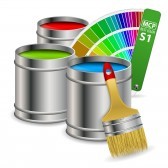
5 Tips For Saving Money On A House Painting Project

how to save money when you paint your homeWhether you’ve finally decided on an accent wall in the living room, you want to repaint your interior for an updated look that features new color trends, or it’s time to address the peeling paint on your home’s exterior, you are probably aware of the fact that such projects do not come without an attendant price tag. Certainly painting is more affordable than remodeling or renovating, but that doesn’t necessarily mean that it’s cheap, especially if you plan on hiring professionals to get the job done for you. However, there are plenty of ways to save where your painting expenses are concerned, and with a little leg work and some common sense on your side you can make the right decision for your home and your budget. Here are just a few tips that will help you to shave dollars off the cost of your house painting project.

DIY. You might not be keen to get up on a ladder and paint the entire exterior of your home, but there are a lot of painting projects you can tackle in order to save some money on labor. For an outside project, for example, you can at least paint the window frames, including storm windows and screens (if applicable). And you can do some prep by masking off windows and doors with tape and plastic so that the painters can get right to work with their brushes, rollers, and airbrushing tools. As for interior jobs, there’s just no reason the average homeowner can’t tackle these instead of shelling out for a professional paint crew.

Continue Reading

Household

5 Easy Ways To Trim Your Home Improvement Costs

There are many reasons why the average homeowner might want to invest in home improvements. If you’re looking to increase the functionality of your home, add aesthetic appeal with something more modern or in keeping with your personal style, and/or boost the resale value, home improvements are a great way to accomplish all of your goals, especially if you put some time, effort, and thought into the planning process so that you can select the best projects. However, most home upgrades of value are not going to come cheap. And if you’re working with a budget, you might find that you have to compromise in order to get what you want at a price you can afford. Luckily, there are ways to trim costs that won’t require you to take an all-or-nothing approach to your upgrades. Here are a few tips to try.

Get bids. Like any type of cohome improvement tips to save you moneynsumer purchase, it’s in your best interest to engage in comparison shopping where your contractor is concerned. You should, of course, have a budget in mind for your project. Some contractors may tell you that it is insufficient while others promise you the moon at your price. But what you want to look for is a contractor that tells you what you can reasonably afford with the money you have, that warns you there could be overages should any unseen problems arise once the project begins (such as issues with inspectors, city codes, or elements of your home interior like plumbing or electrical), and that lets you know how you can save money throughout the process.

Continue Reading