
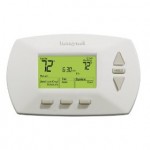
 I highly recommend buying a programmable thermostat
Browsing Category
Money Saving Tips
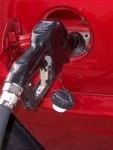 There are a lot of ways to save money on gas. Try them and you will be surprised at how much money you will save.
Maintain Your Vehicle
1. Keep your tires properly inflated and make sure they are aligned properly.
2. Change your oil regularly and upgrade your air filter.
3. Make sure that your gas cap fits securely.
Driving Behaviors
4. Driving aggressively results in burning more gas because you are more likely to brake suddenly, brake more often, and speed up too fast. Drive calmly and patiently and you will save a lot of money and your vehicle will last longer.
5. Avoid idling as much as possible. In traffic it is unavoidable, but instead of idling while waiting at a drive through, stop the car and go inside to place your order.
Although I have written blogs about some big money wasters already, I think it’s important to 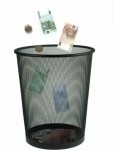 emphasize them so that we can avoid them. There’s no point in wasting money that we work hard for. Think about it this way, if you waste your money, you are also wasting your time. Why? Because the more money you waste, the more time you have to spend working to pay for it all! Below is a list of just some of the money wasters out there. There are many more, so watch out for them!
1. Eating out rather than bringing your own lunch to work. Bring some leftovers from last night’s supper rather than spending $5 to $7 everyday to buy lunch.
2. Buying food and then letting it rot in the fridge. It happens to all of us. But why? We need to be more aware of what we are buying and make sure that we are eating it before it goes bad.
3. Bottled water. Rather than buying hundreds of bottles and polluting our environment, why not save your money and the environment and drink filtered water brought from home? At around $1.50 a bottle, if you buy one bottle of water every day, you are wasting almost $550 per year!
Coupon books can save you a lot of money, that is, if you use them! The problem is that so often we buy them to support a fundraiser and then we misplace them only to discover them a year later when all the coupons have expired. I recommend keeping your coupon book handy and visible so you remember to browse through it and take advantage of the savings. If it is small enough, carry it in your purse or keep it in the glove box of your vehicle.
Coupon books are a great way to save money when you are on vacation, too. If you plan to spend a week or two in a specific city and hope to check out the tourist spots and shops, buy a coupon book and use the coupons at restaurants, tourist spots, shops, hotels, golf courses, etc. It will allow you to do more and spend less.
 When my husband and I got married I was the main wage earner. It was tight but we were able to set up a budget that worked for us. Once we both began working full time, rather than allowing our expenses to significantly increase, we decided to keep our lifestyle almost the same as before. So, even though we could have afforded a few luxuries we decided if we had been satisfied without them in the past then we didn’t really need them. We did eventually purchase a home and that increased our living expenses but outside of that our budget remained nearly identical. As a result, we have been able to live debt free (except for our mortgage) and have been able to make prepayments on our mortgage to decrease the amount of interest we have to pay.
With the troubled economy and the increasing possibility of job loss it’s a good idea to step back and take a serious look at what you are spending your money on and consider how you can cut back in order to build up an emergency fund. Even in the best of times, it is recommended that you have from 6 to 8 months worth of living expenses saved. It is possible that you will have to do more with less, so why not start saving now by cutting back on the things you don’t really need?