Smart Tax Tips: Winning Strategies To Reduce Your Taxes by Grant Thornton
Before you file your taxes for 2010, I would recommend that you skim through Grant Thornton’s book titled Smart Tax Tips . The book is chock full of ways you can maximize your tax savings.
A major benefit to reading this book is to help you understand what tax credits and tax deductions are available for Canadians. The book includes information about the Child Tax Credit, Disability Tax Credit, the Eligible Dependant Credit, and many more. By reading this book you may discover a way to save a lot of money in taxes that you didn’t even realize was available to you.
The book also contains a lot of important information about Registered Retirement Savings Plans (RRSPs), including what happens if you overcontribute, how the carry forward rules work, etc.
There is also information about Old Age Security clawbacks, pension income splitting, and tips on how to effectively use a Tax Free Savings Account (TFSA).
If you have children, you will benefit from reading about what childcare expenses are eligible for tax deductions. You might be surprised at how many expenses are actually eligible, even including some after school recreational activities if the fees are incurred in order to allow a parent to work. It is worth your time as parents to dig deeper and minimize your tax bill.
This book is written to help out both young and old in managing their tax bill. I would recommend this book to anyone interested in learning how to reduce their taxes and who wants to have a better understanding of our complicated tax system. Be sure to select the most updated version of this book so you are reading the most accurate and up to date information, the cover will say that it has been updated for 2010.

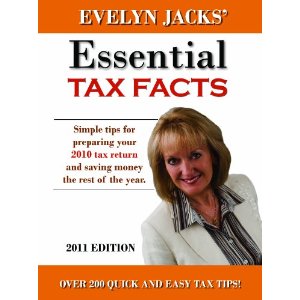
 . It looks like she updates her book every year. As with every tax book you read, make sure it is relevant for the current tax year as some tax rules are bound to have changed since the previous year.