
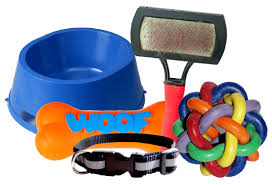
 We all want to save money on our shopping. When it comes to owning pets, it can be super expensive. After all, you need to cover the cost of everything from food to medical bills. Many people think that there is nothing they can do about these fees. Nothing could be further from the truth. In fact, you will find that there are many ways in which you can cut back and save some cash! Here are some simple money-saving hacks just for you.
Buy the food in bulk
Here’s a secret – pet food is always cheaper when you buy it in bulk. If you look online, you should find that some places sell massive bags of food. Since dry pet food doesn’t tend to go bad at all, you can stock up on loads of it for the entire year. Make sure that you buy the food from a trusted vendor. That way, you can be sure that the food you’re giving to your animals is safe for them. Also, search online for promo codes and take advantage of discounts by checking out Ultimate Pet Nutrition offers.
 It seems but a short while ago that the baby boomers were called by other monikers, according in great part to our philosophical, social, and fashion sensibilities – hippies, mods, rockers, rednecks, heads, straights, among others. We were, as a group, restless, questioning, and in many cases, driven by a wanderlust our post-WWII, post-Great Depression parents could never comprehend. In spite of, or perhaps due to being such a diverse generation, we all seemed to share one trait. We were always in the minority.
 Investments are currently playing a more integral role than ever before. Many people across the globe are turning to this arena in hopes of securing a better financial future. There’s no doubt that it can bring major benefits.