
 Most of us would agree that America has suffered from a pretty unstable financial market over the past few years and so far 2017 seems to be following suit. In a study undertaken by The Fund For Peace, a global index measuring national security and economic stability, the U.S. was ranked the 13th most worsened nation last year.
 As you start to earn a good living and have gotten into a good routine of saving, investment is often the next step towards goals of financial mastery. This part of money is incredibly important for those looking to reach their full income potential. But, of course, it can be hard when you’re first getting started. In a lot of cases, new investors won’t have a lot of money to play with, and it will be hard to find options which suit their needs. If you find yourself in this spot, it can be hard to find a way out of it. But, it doesn’t have to be this way.
 Taking your relationship to a whole other level brings along a bunch of new challenges also. One of them is certainly the management of a mutual (family) budget.
It’s a tough one having another person delve into your pocket every now and then, especially if you’ve been solely in charge of your finances for a long time. Changing ways of doing things and possibly adopting a different mindset is very often inevitable.
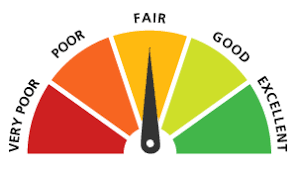 There are two things the general public know about their credit score: it’s either good or bad! After that, the majority of us don’t have a clue about how the system works, how it affects our rating, or what that means for our financial future. If you are like most people, this realization will hit home with some force. The fact that you might be boosting or ruining your rating without knowing it is pretty shocking. Thankfully, you can brush up on your knowledge and learn more about what affects a credit score.
 Credit cards, whether you love them or hate them, it’s more than likely that we have at least one in our wallet. The thing is that if we were honest a lot of us don’t know all the ins and outs of using them to pay for things. In fact, there is quite a lot of info that isn’t common knowledge that can stop you getting into trouble with your credit, or help you when you have. Read on to find out more.